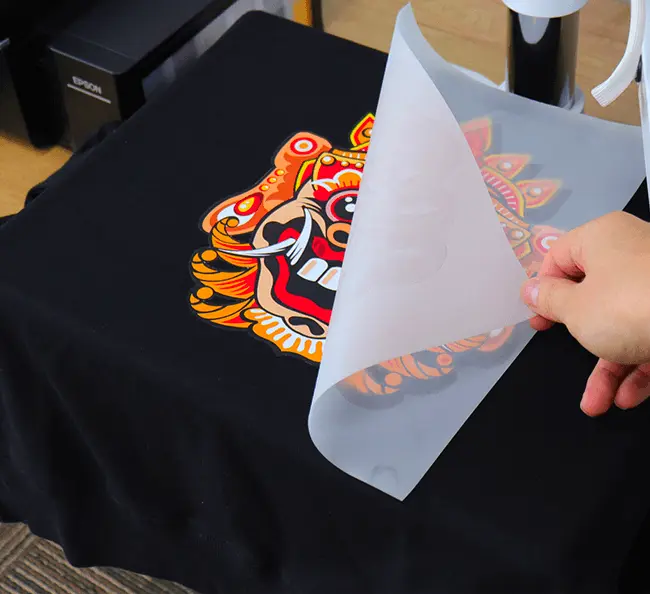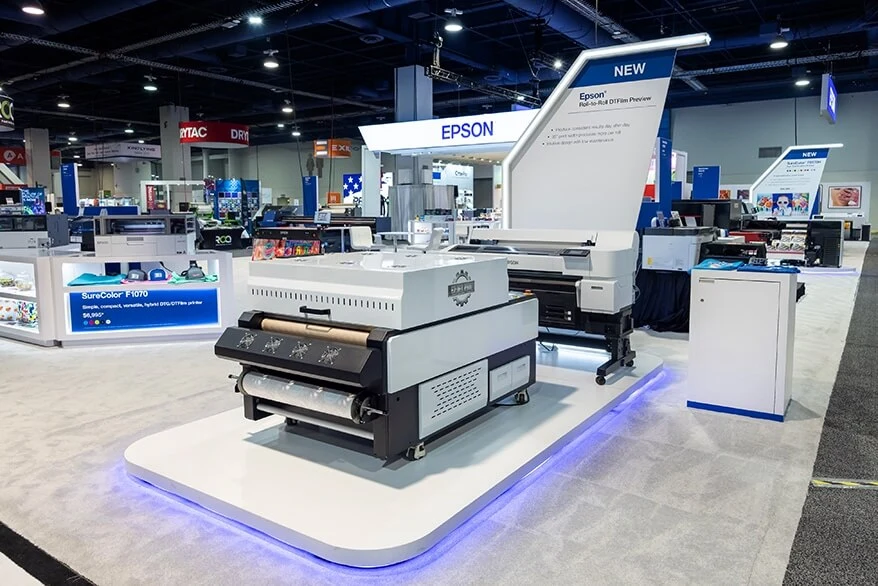
Direct Transfer Film (DTF) machines are widely used in the garment and textile industries. They allow for detailed and full-color designs to be printed on various fabrics, such as t-shirts, hoodies, and more.
However, with so many DTF machines available on the market, it can be challenging to determine which one is the best fit for your business.
In this article, we’ll explore the differences between commercial and small business DTF machines and help you choose the right machine for your needs.
Table of Contents
Commercial vs Small Business DTF Machines — Which Is Right for You?
Printing high-quality designs on fabrics is essential in the garment and textile industry. DTF machines are popular for their ability to produce complex, vibrant designs on a wide range of fabrics. With many options on the market, choosing the right machine can feel overwhelming. A key decision is whether to buy a commercial DTF machine or a small business DTF machine. This guide compares both so you can make an informed choice.
What are DTF machines?
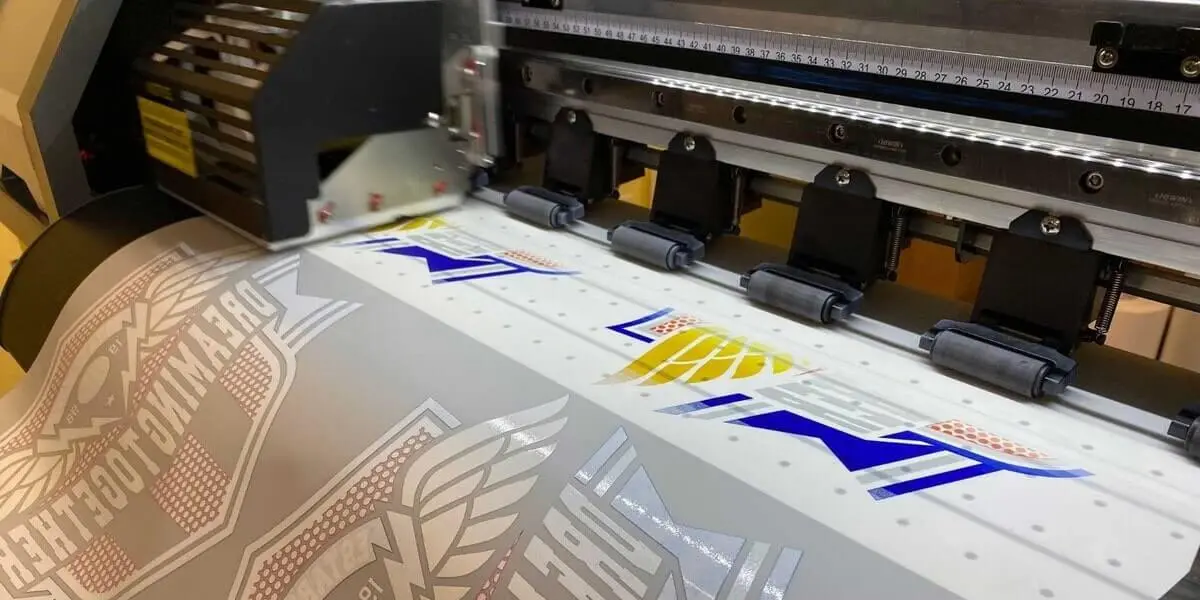
DTF (Direct-to-Film) machines print designs onto a special transfer film using a printer, then a heat press transfers the design onto fabric. They can handle fine details, full color, and gradients across cotton, polyester, and blends.Types of DTF machines
Broadly, there are two categories: commercial and small business DTF machines.Commercial DTF machines
Designed for high-volume production in larger operations. They cost more but offer advanced features and throughput.Benefits
- Higher printing speed: Up to ~30 garments/hour (ideal for high demand).
- Larger print area: Supports bigger or more complex artwork.
- Robust build: Durable components for heavy, continuous use.
- Better print quality: Higher resolutions deliver vivid, detailed results.
- Fully automated options: Advanced automation streamlines powdering/curing and reduces operator workload.
Drawbacks
- Higher price: Significant upfront investment.
- Larger footprint: Requires more space and ventilation.
- Steeper learning curve: More complex setup and operation.
Small business DTF machines
Geared toward low- to medium-volume printing in small or personal businesses. More affordable with simpler operation.Benefits
- Budget-friendly: Lower purchase cost.
- Compact: Fits smaller workspaces.
- Easy to operate: User-friendly for beginners.
- Semi-automated options: Some automation improves consistency without the cost of full automation.
Drawbacks
- Slower speed: Around ~10 garments/hour—less suited for spikes in demand.
- Smaller print area: Limits very large designs.
- Lower durability: More maintenance over time compared to commercial units.
- Slightly lower resolution: Fine detail can be less crisp.
Quick comparison table
| Feature | Commercial DTF | Small Business DTF |
|---|---|---|
| Throughput | Up to ~30 garments/hour | Up to ~10 garments/hour |
| Print Area | Larger (oversized designs) | Smaller (standard designs) |
| Automation | Fully automated options | Semi-automated options |
| Ease of Use | Advanced (training needed) | Beginner-friendly |
| Durability | Heavy-duty, production-grade | Light/medium duty |
| Price | Higher | Lower |
| Best For | Large orders, B2B, 24/7 | Startups, boutique brands |
Note: Actual speed/output varies by artwork size, curing settings, operator skill, and environment.
How to choose the right machine
1) Consider your business needs
Estimate your monthly order volume and fabric mix. High, consistent demand usually justifies a commercial unit; low-to-medium demand fits a small business machine.2) Assess your budget
Include not only the sticker price but also consumables, maintenance, spare parts, ventilation, electricity, and operator time.3) Evaluate key features
- Print speed & area
- Resolution and white underbase control
- Powdering/curing method (oven, shaker, conveyor, or press pre-cure)
- Build quality & uptime history
4) Determine the support level you need
If you need technical support, operator training, and warranty coverage, choose a manufacturer or local partner with proven responsiveness. For Bangladesh—small or commercial setups—you can contact GeniusDTF for guidance and post-sale support.Maintenance & support
Like any production equipment, DTF machines need routine care. Favor models that are easy to maintain and come with reliable customer support. Plan for regular nozzle checks, proper ink storage, humidity control, and scheduled part replacements.Conclusion
Choosing the right DTF machine depends on your demand, budget, and the features that matter most to your workflow. Commercial DTF machines suit high-volume operations that require speed, larger print areas, and advanced automation. Small business DTF machines are more affordable and easier to use for startups and boutique brands. Evaluate features, assess your needs and costs, and work with a vendor that offers solid training and after-sales support.FAQs: Frequently Asked Questions
What is the difference between commercial and small-business DTF machines?
Commercial DTF machines are designed for high-volume printing in large-scale businesses, while small-business DTF machines are designed for low to medium-volume printing in small to medium-sized businesses.
Are commercial DTF machines more expensive than small business DTF machines?
Yes, commercial DTF machines are more expensive than small business DTF machines.
Can small business DTF machines print on larger surfaces?
No, small business DTF machines have a limited printing area and cannot print on larger surfaces.
Are small business DTF machines user-friendly?
Yes, small business DTF machines are user-friendly and require less experience and knowledge to operate.
What factors should I consider when choosing a DTF machine?
You should consider your business needs, budget, machine features, and manufacturer support when choosing a DTF machine.