Table of Contents
What is DTF Printing?
DTF printing is a printing process that uses a special type of film to transfer the design onto the fabric or product. This process involves printing the design on a special film, then transferring the design onto the fabric or product using heat. DTF printing offers a more efficient and cost-effective way to print designs on fabrics and products.The Benefits of DTF Printing for Commercial Use
There are several benefits of using DTF printing for commercial use. Firstly, DTF printing offers high-quality prints that are durable and long-lasting. This is because the ink used in DTF printing is specially formulated to bond with the fabric or product, resulting in a print that will not fade or crack over time. Also, DTF printing produces high-quality designs with vivid colors and sharp details, making it a great choice for businesses that want their printed items to look professional. Secondly, DTF printing is a cost-effective way to print designs on fabrics and products. This is because DTF printing does not require any special pre-treatment or post-treatment of fabrics, which can be time-consuming and expensive. DTF printing also offers a higher yield per print, which means that you can print more designs per roll of film compared to traditional screen printing methods. Thirdly, DTF printing offers a faster turnaround time compared to traditional screen printing methods. This is because DTF printing does not require any setup time, which can take hours or even days in some cases. As the DTF printing process is automated, it’s much faster than other printing methods. This means you can produce more items in less time. DTF printing also allows for more flexibility in terms of design changes and customization, which can be done quickly and easily. Overall, DTF printing is a reliable and efficient method for creating durable prints at a faster pace and lower cost, making it an excellent choice for businesses that require a high volume of printing including roll-to-roll printing, high production speed, long-lasting and high-quality prints, and cost-effectiveness of this facility.Step-by-Step Guide to DTF Printing Process for Commercial Applications
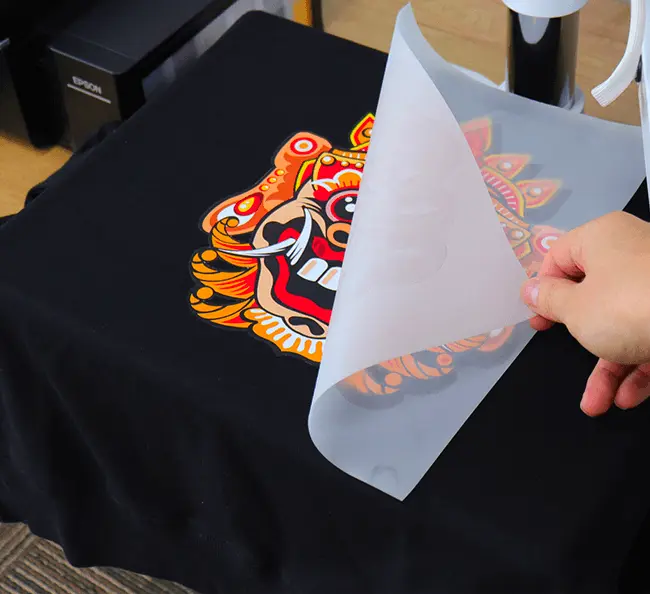
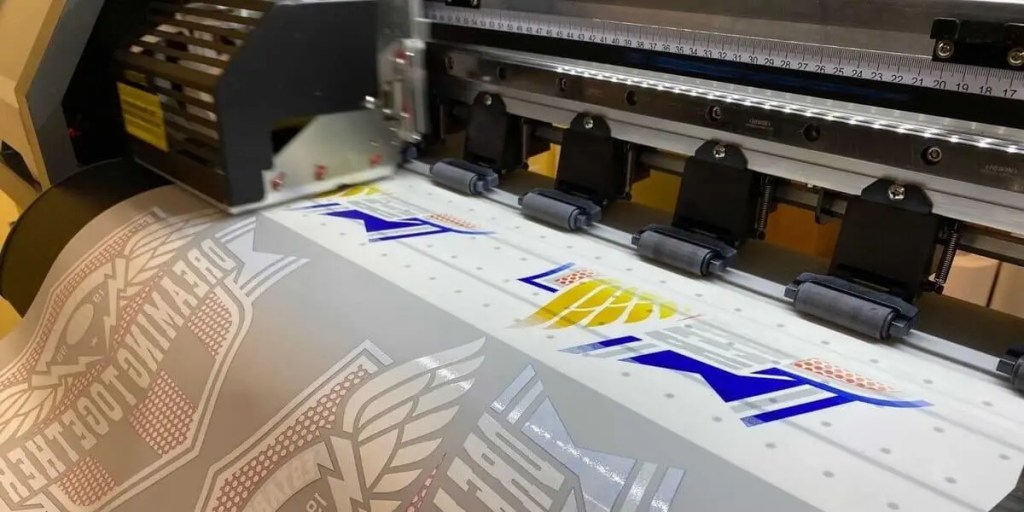
Now that you know the benefits of DTF printing for commercial use, let’s dive into the step-by-step guide to the DTF printing process for commercial applications. Step 1: Design Creation The first step in the DTF printing process is the creation of the design. The design can be created using graphic design software such as Adobe Photoshop or Illustrator, etc. The design should be created with the end product in mind and be of high resolution to ensure a high-quality print. Once the design is created, it is saved in a digital format like PNG, TIFF, AI, JPEG, etc., and prepared for the printing process. Step 2: Printing the Design on Film The next step in the DTF printing process is printing the design on the film. The film used in DTF printing is a special type of film that has a coating on one side that allows it to bond with the fabric or product. The printing process should be done using a specialized DTF printer, which uses a special type of ink that is formulated to bond with the film. The DTF printer uses two print heads to print the design on a film in a mirrored position. One print head has CMYK light cyan light magenta color, while the other has six channels of white ink. The printer first lays down the coloring and then follows it with white ink. The software automatically mirrors the image before printing it. This process results in a vibrant, high-quality design that will stand out on any garment. Step 3: Powder Application As the design is being printed, the DTF machine simultaneously applies a layer of adhesive powder to the wet ink, which is a type of Hot Melt powder. The powder attaches to the ink, and any excess powder is loosened up by a beater that beats the back of the film. This ensures that all the powder adheres to the ink. This is a critical step in the DTF printing process because it ensures that the design will adhere well to the garment and stay in place, even after washing and wearing. After the powder is applied, the DTF machine shakes off the excess powder from the transfer paper. This step ensures that the right amount of powder is applied to the ink, which is essential for proper adhesion to the fabric. Step 4: Heating Chamber After the powder is applied, the PET film with powder goes into a heating chamber. This chamber heats the Hot Melt glue and cures the ink. As a result, the glue and ink fuse together to create a durable, high-quality transfer with a shiny, color-peel look. Step 5: Curing the Film Paper The printed transfer paper is then fed into the curing unit, which is a heat press that melts and bonds the powder to the ink. This creates a durable design that can withstand washing and ironing. Curing is a crucial step in the DTF printing process because it ensures that the design is permanent and won’t fade or peel over time. Step 6: Preparing the Fabric or Product The next step is to prepare the printing material, such as a t-shirt or bag, by ensuring it is clean and free from any dust or debris. The material is then placed on the printing table for transferring the design. Step 7: Transferring the Design onto the Fabric or Product This DTF printing process transfers the design to the fabric or product. This is done using a heat press machine, which applies heat and pressure to the film. Place the transfer paper on top of the garment and use a heat press machine to apply heat and pressure for around 10 seconds. This will transfer the design from the paper onto the garment. The heat and pressure ensure that the design adheres well to the garment and won’t peel or fade over time. This process is suitable for commercial businesses as it can produce multiple transfers at once, which can be applied to garments later as needed. It works on many different types of materials, including polyester, high poly blends, cotton blends, tri-blends, performance wear, and neoprene. Step 8: Removing the Film The final step in the DTF printing process is removing the film. The film should be carefully peeled off the fabric or product, leaving behind the printed design. And the design should be crisp and vibrant, with excellent color saturation and clarity. The fabric or product should then be washed and dried to ensure that the print is set. In summary, DTF printing is an automatic process that creates high-quality, durable prints quickly and efficiently. By following these steps, you can create stunning designs that will stand out on any garment. This is very beneficial for commercial uses as it can generate a ready product within 15 seconds, which is very good for bulk amounts of garment products.Choosing the Right DTF Printing Equipment for Your Business
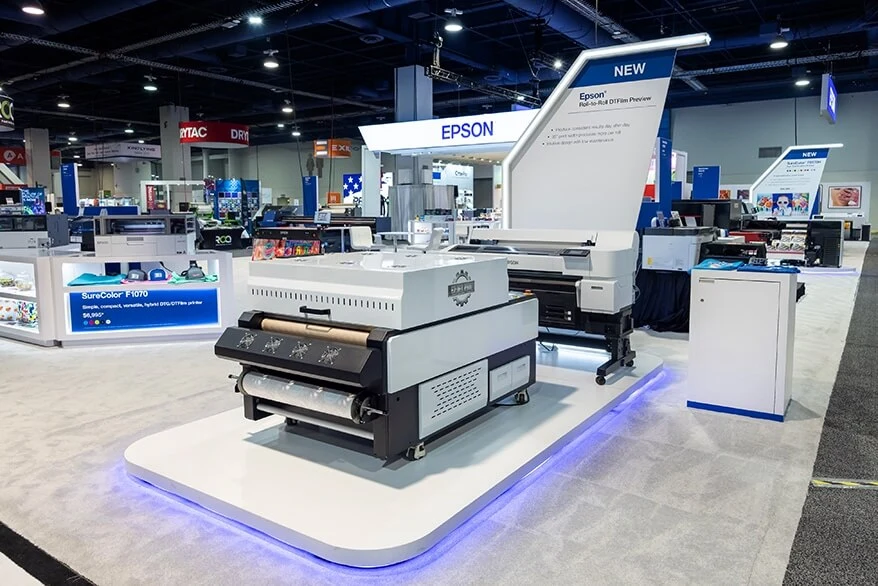
Choosing the right DTF printing equipment for your business is crucial to ensure that you get the best quality prints and maximize your investment. There are several factors to consider when choosing DTF printing equipment, including the type of fabric or product you will be printing on, the size of the prints you will be producing, and your budget. To avoid the investment, and other hassles and get the best service in Bangladesh, you may contact GeniusDTF; they will do everything for you. Just place your order.DTF Printing for Commercial Apparel – Best Practices and Considerations
DTF printing is a popular choice for commercial apparel printing. There are several best practices and considerations when it comes to DTF printing for commercial apparel, including the type of fabric being printed on, the size and placement of the design, and the color of the fabric.How to Use DTF Printing for Your Business – Tips and Tricks
Using DTF printing for your business can help you improve your products and services. There are several tips and tricks to using DTF printing for your business, including choosing the right type of ink, using high-quality designs, and testing your prints before production.DTF Printing Solutions for Commercial Businesses – What to Look for in a Provider
If you are looking for DTF printing solutions for your commercial business, there are several factors to consider when choosing a provider. These factors include the quality of the prints, the turnaround time, and the cost of the services.Conclusion
DTF printing is a game-changing printing technology that offers several advantages over traditional printing techniques. By following the step-by-step process mentioned above, commercial businesses can benefit from high-quality, cost-effective, and efficient printing solutions. DTF printing is an ideal choice for businesses that require custom promotional items, such as t-shirts, bags, hats, and other materials. It offers versatility, customization, and high-quality prints that are vibrant and long-lasting. As technology advances, businesses that adopt these new techniques and technologies can gain a competitive advantage in their respective markets. With the benefits of DTF printing, it’s no surprise that it has become a popular choice for commercial businesses.FAQs: Frequently Asked Questions
Is DTF printing suitable for dark-colored materials?
Yes, DTF printing is suitable for dark-colored materials as it allows for white ink to be printed under the colored ink, making the design visible.
Can DTF printing be used for large-scale printing?
Yes, DTF printing can be used for large-scale printing, but it may not be as cost-effective as other printing techniques.
Is DTF printing better than screen printing?
DTF printing offers several advantages over screen printing, such as faster printing speeds, higher resolution, and better color vibrancy.
Can DTF printing be used on different materials?
Yes, DTF printing can be used on a wide range of surfaces, including cotton, polyester, nylon, and other materials.
What are the benefits of DTF printing for commercial businesses?
DTF printing offers cost-effective, high-quality, versatile, and customizable printing solutions for commercial businesses.
How long does it take to complete the DTF printing process?
The DTF printing process is faster than traditional screen printing and can produce more items in less time.
Is DTF printing eco-friendly?
DTF printing uses less ink than traditional printing techniques, which makes it a more eco-friendly option for businesses.